Are you raising funds for charity? we can help by giving you free ulam raja and celosia seedlings. whatsapp 8770 5438

Fresh Edibles, Soil and Plant Shop
Your own little piece of nature, ready to bring wonder right where you are
Grow your Own Food
Our soil is alive, and carefully built
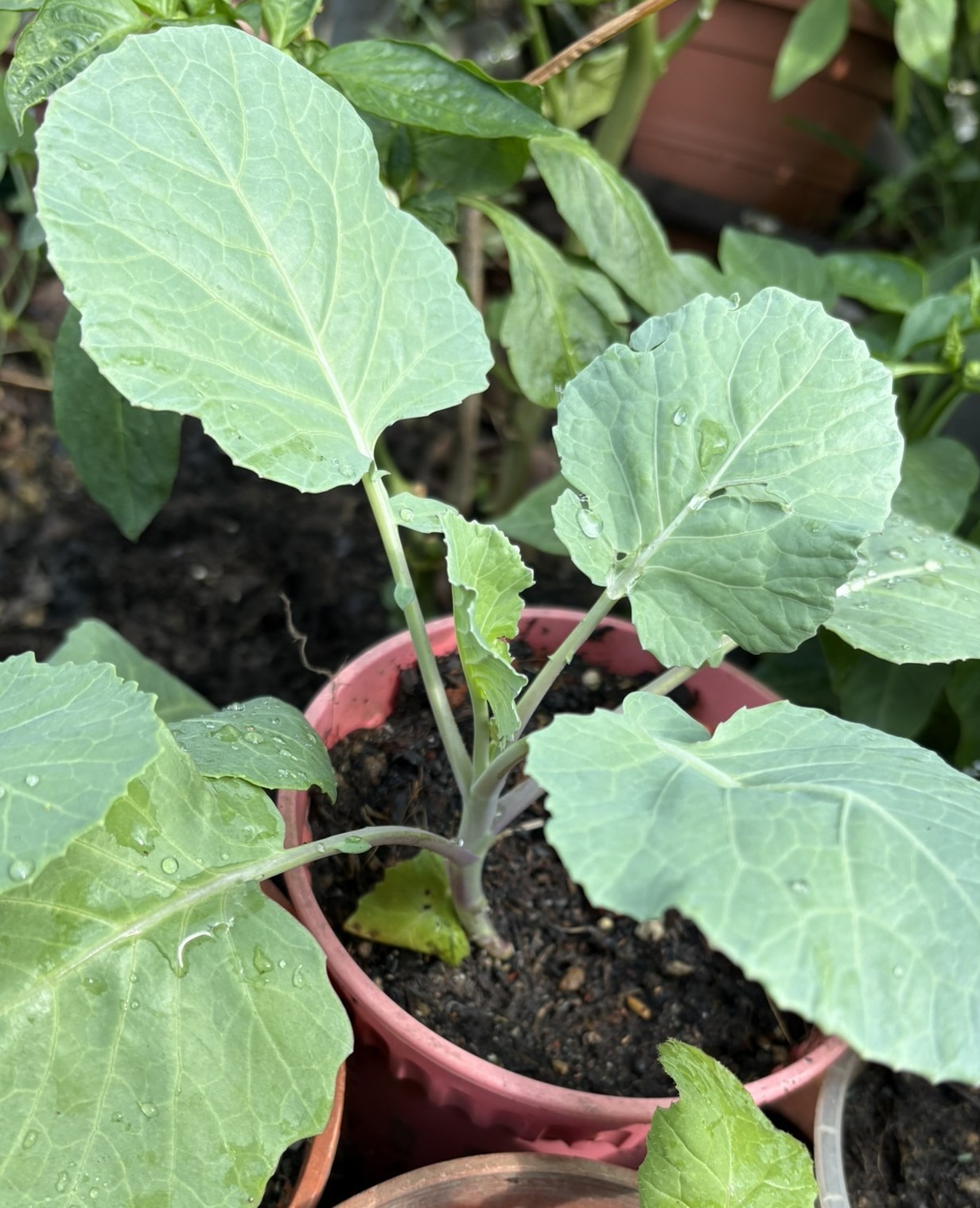
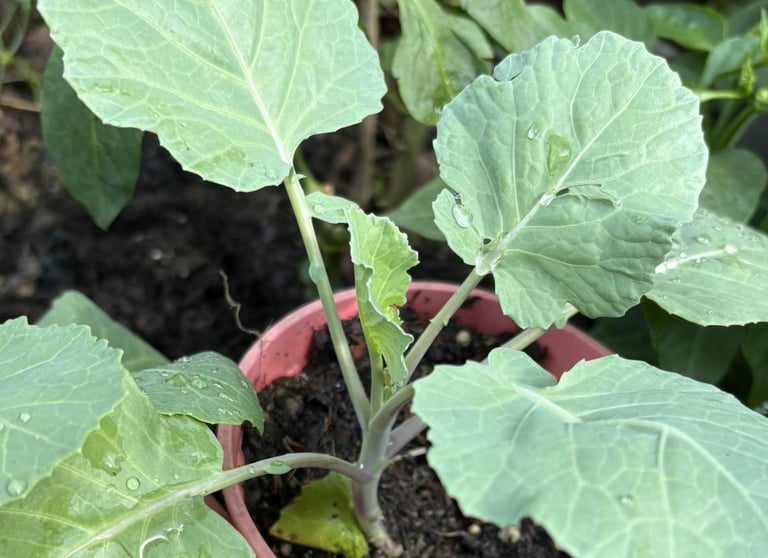
Our soil starts with our LeafingSoil enzyme blend. Organic matter we'd otherwise discard is transformed into a natural plant enzyme, which enriches our compost. The result is a living soil - teeming with beneficial microbes and organic matter - that gives every plant a strong foundation from day one. See below for what we use and you can care for your plants
A note on what you might see
You may spot flecks of leaves, along with other bits and textures. That's intentional. Leaves break down slowly, feeding the soil long after potting, while coarser materials hold open the air pockets roots need to breathe and spread. As it all decomposes, it becomes food for the microbes and worms doing the real work below the surface. A perfectly uniform, sieved soil looks tidier - but it's inert. Ours is meant to be alive.
Gentle enough for baby's first food
There's a quiet peace in knowing precisely what you feed a plant - real food, never synthetic chemicals - you can trust it for weaning babies(cooked, of course), growing little ones and the whole family's table.
Please note: all photos are illustrative. As every plant is living and grown naturally, its actual size, shape, and colour will vary from the images shown. Prices may change as the plant grows.
Feed the Soil, and the Soil Feeds Your Plants
At LeafingSoil, we don't just feed plants - we feed the whole living system they grow in. Your plant feeds from a balanced, microbe-rich foundation which means:
Steadier, healthier growth
Better flavour
Stronger, more resilient plants
The real foundation isn't a fertiliser - it's living soil, teeming with beneficial microbes. Keep the soil alive, and it feeds your plants for you. Our enzyme is the engine which we add into our LeafingSoil blend.
So what does "the engine" really mean? Think of fertilisers as the groceries - and our enzyme as the kitchen staff that turns raw ingredients into meals your plant can actually absorb. Fertilisers alone will still feed a plant - but much of what you add washes away or stays locked in forms roots can't reach. Living soil holds on to those nutrients and releases them steadily, so less is wasted and your plants are fed more evenly.
And you don't need our exact brew to succeed. Living soil is something any gardener can nurture at home - so we're always happy to teach you, or point you to explore it yourself with a quick AI search on "enzyme for living soil."
🥚 You can do this at home too
Even everyday kitchen scraps help. Crushed eggshells add slow-release calcium and air pockets, while rice water and leftover yogurt feed the microbes that keep your soil alive. Make garlic and onion skins "tea". The sulfur compounds that make onion and garlic pungent also give the skins mild antifungal and pest-deterrent properties.
☀️ Targeted top-ups when plants get hungry
Different plants want different things, so match the feed to what you're growing:
For leafy greens (kai lan, kale, herbs etc)
It's all about lush, healthy leaves - and leaves love nitrogen.
🐛 Frass - a gentle, balanced everyday feed that also strengthens plants' natural defences. No frass on hand? 🐔 Aged chicken manure is a nitrogen-rich stand-in - just well-composted so it never burns, though it lacks the pest-fighting chitin that frass brings.
For fruiting plants (tomatoes, chillies, beans, brinjal, okra etc)
Once they start flowering, ease off the nitrogen and support roots, blooms, and fruit instead.
🦴 Bone meal - the slow builder. Mixed into the soil, its phosphorus and calcium grow sturdy roots and set the plant up to flower and fruit well.
🌊 Seaweed - the regular tonic. A potassium-rich vitamin drink given every week or two for more flowers, better fruit, and resilience to heat and stress.
A beginner tip: fruiting plants grow their leaves first, so feed them like a leafy green early on, then switch to bone meal and seaweed once the flowers appear.